
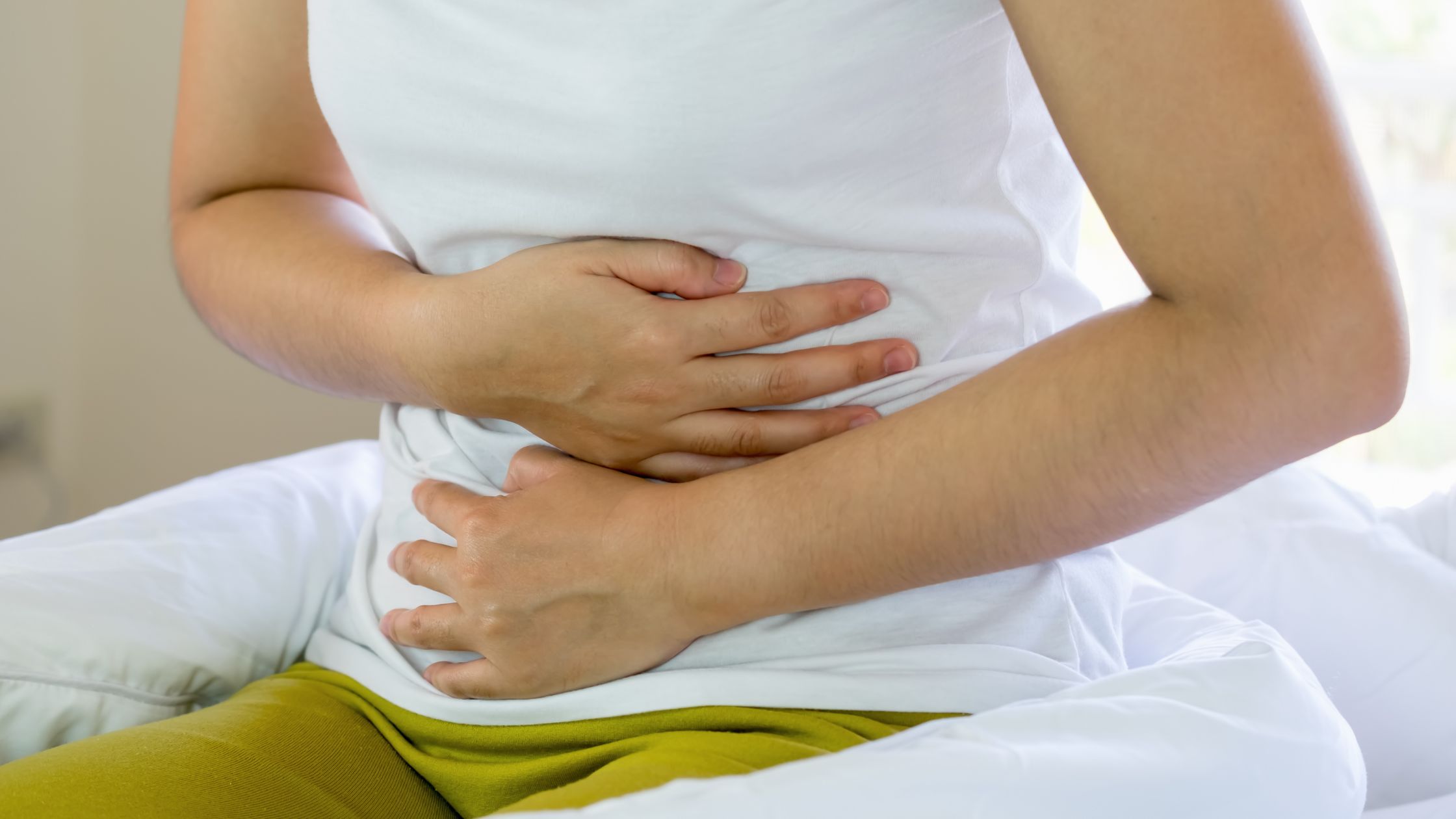
Heavier periods after 35 years can be worrying, particularly if your periods suddenly change. As women get older, they may experience some changes, but heavy bleeding during perimenopause is not normal. The Best Gynecologist in Agra can help find the cause and avoid complications like iron-deficiency anaemia.
What is considered a heavy period?
Heavy periods may be defined as those that require replacement of sanitary pads or tampons every one to two hours, or periods lasting longer than seven days, or the passage of large blood clots or periods that affect your daily activities. Heavy bleeding can also lead to tiredness, weakness, dizziness and breathlessness due to blood loss.
Common Causes of Heavy Periods After 35
Several conditions can cause heavy periods in the later reproductive years:
- Hormonal changes:Changes in the body, such as irregular ovulation and changes in oestrogen and progesterone, can lead to a thickened lining and heavier or irregular periods.
- Uterine fibroids:Such growths may be more apparent during the reproductive years and may lead to prolonged or heavy menstrual bleeding.
- Adenomyosis:A condition in which tissue that normally lines the uterus grows into the uterine muscle can cause heavy and painful periods.
- Polyps:If the uterine lining grows, it can lead to heavy periods, spotting or bleeding outside of periods.
Other potential reasons are thyroid problems, some medications, bleeding problems, and, less frequently, uterine or cervical cancer.
When to see a Gynaecologist?
Never dismiss heavy bleeding that is much heavier than normal. A Best Gynecologist Doctor in Agra should be consulted if periods continue to be heavy or interfere with daily activities, if the period is painful, if it occurs between periods or after sexual activity, or if unusual fatigue or breathlessness occurs. If your bleeding is very intense and you have soaked through at least one pad or tampon every hour for over two hours, you should seek medical help immediately.
What can a Gynecologist do?
A discussion of your menstrual history, a physical examination, blood tests, checking for anaemia or other conditions, and pelvic ultrasound may be part of your evaluation. Additional testing, including a hysteroscopy or endometrial biopsy, may be suggested, depending on the symptoms. Treatment depends on the cause and can involve drugs or a procedure.
For customised assessment and treatment of menstrual issues, seek the help of Dr. Anushree Rawat at Agra Woman Wellness Centre, which is the Best Gynecologist Hospital in Agra.