
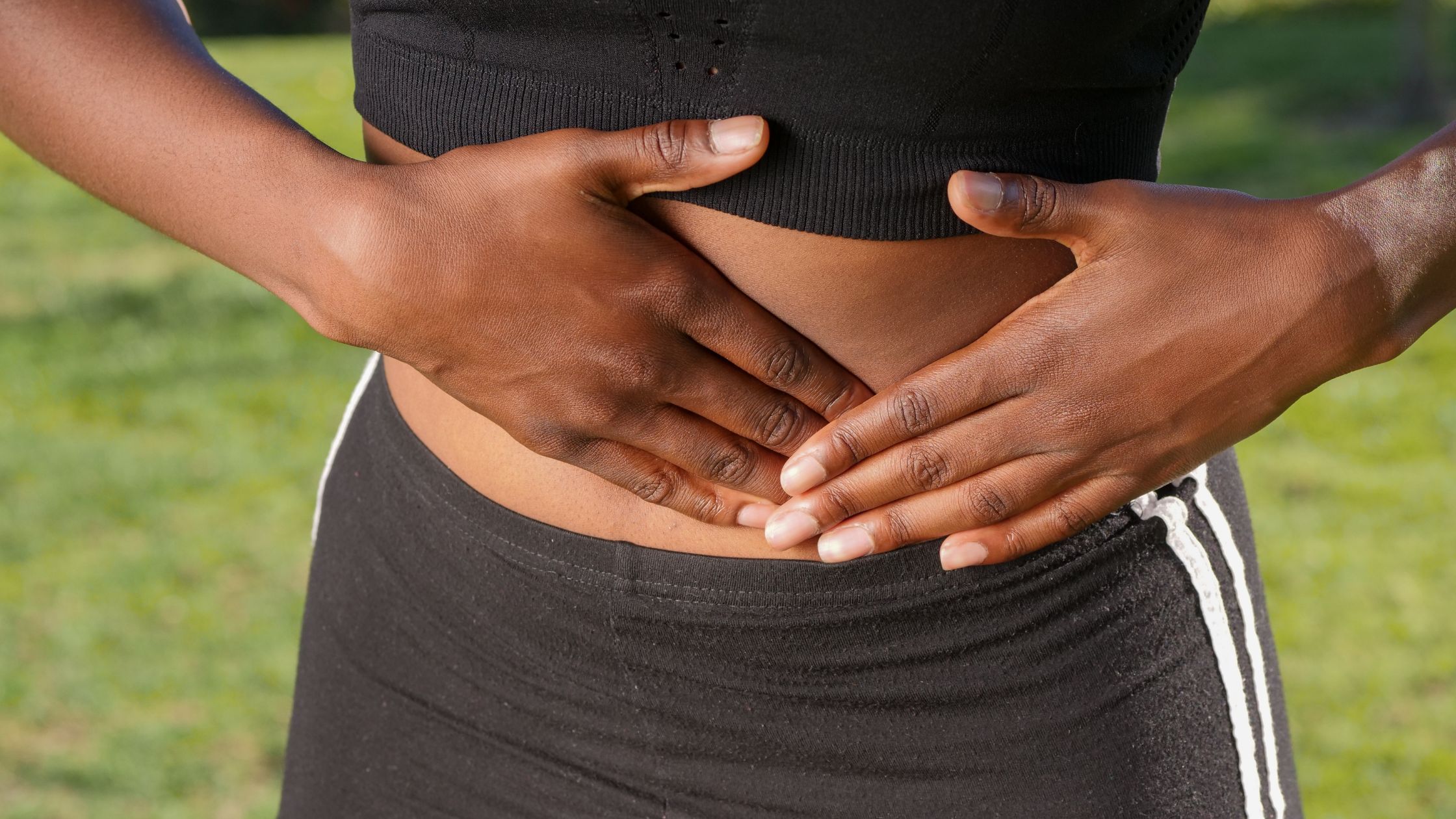
A period that suddenly becomes heavier than usual, cramps that feel worse every month, or a constant feeling of pressure in the lower abdomen can be difficult to ignore. For some women, these problems are linked to uterine fibroids. These are growths that develop in the muscle of the uterus and are usually non-cancerous. Some women have them for years without knowing it, while others experience symptoms that interfere with everyday life. Speaking to the Best Gynecologist Doctor in Agra can help you understand the cause of these changes.
Why Do Fibroids Develop?
The truth is that doctors still don't know exactly why some women develop fibroids and others don't. However, a few factors seem to play a role.
Hormones Can Influence Their Growth
The body goes through hormonal changes throughout a woman's life. Oestrogen and progesterone, the hormones involved in the menstrual cycle, can encourage fibroids to grow. This is why fibroids are commonly found in women during their reproductive years. They often become smaller after menopause.
Fibroids May Run in Families
If your mother or sister has had uterine fibroids, you may have a higher chance of developing them yourself. Researchers have also found genetic changes in fibroid tissue, suggesting that genes may be involved.
Everyday Health Factors Matter Too
Age, excess body weight and starting menstruation at an early age have been associated with a greater risk of fibroids. Low vitamin D levels have also been studied as a possible contributing factor, although the connection is not fully understood.
Which Symptoms Should You Watch For?
Some women discover fibroids during a routine ultrasound, even when they feel perfectly fine. Others notice heavy periods, bleeding that lasts longer than usual, pelvic discomfort or frequent urination.
If you experience these problems, don't assume fibroids are the cause without getting checked. A consultation at the Best Gynecologist Hospital in Agra can help identify the problem. An ovarian cyst Doctor in Agra can also help evaluate symptoms that may be related to ovarian cysts rather than fibroids.
Don't Ignore Changes in Your Periods
Fibroids don't always need treatment. It depends on their size, location and the symptoms they cause. Consulting the Best Fibroid specialist in Agra can help you understand whether monitoring or treatment is appropriate.
For personalised advice about fibroids and women's health, consult Dr. Anushree Rawat at Agra Woman Wellness Center.