Best Foods to Include in a Diet for Regular Periods
If you ever find yourself thinking, “Why is my period so perfect one month and then a week late the next?" with cramps that basically knock you flat, the answer is often pretty darn close to home, like, sitting on your plate. The diet-menstrual health connection isn’t just wellness influencer talk, not even a little. There’s real physiology underneath it. Your hormones are literally made from what you eat, so if your nutrition is out of sync or just not enough in the right ways, your cycle is usually the first to show it.
This guide pulls together what actually helps: which foods for healthy periods are worth stocking in your kitchen, how nutrition and menstrual cycle regularity are connected, and what a realistic day of eating looks like when you're trying to feel better, not just "eat clean."
Why Your Cycle Is So Sensitive to Food
A typical menstrual cycle can run about 21 to 35 days, and the bleeding part usually lasts three to seven days. Behind the scenes, estrogen, progesterone, and a couple of other hormones (FSH and LH, if you want the nerd names) are basically rising then falling in some kind of regular rhythm. It’s like your body is getting ready for pregnancy, maybe every single month, even if it never actually happens. This is a delicate system, though, and it depends on the stuff you feed it—protein, healthy fats, iron, and a mix of micronutrients, small but not really “tiny” in effect.
So yeah, nutrition and menstrual cycle health become hard to split apart. Omega-3 fats can help your body make and manage sex hormones. Protein supports blood sugar staying steady, and that also helps hormones stay steadier. Magnesium, vitamin B6, iron, calcium, and vitamin D all do supporting work too, for energy, mood, and those PMS symptoms that sometimes feel louder than they should. If you skip these consistently, or you lean too hard on sugar, packaged snacks, and too much coffee, then you’re more likely to see irregular cycles, stronger cramps, and mood swings that seem way off compared to what actually happened that day.
Common menstrual complaints that diet can influence include:
- PMS — mood swings, fatigue, bloating, headaches
- Irregular periods — cycles that run shorter or longer than usual
- Painful cramps (dysmenorrhea) — that deep, achy lower-abdominal pain
- Heavy bleeding — flow that's noticeably heavier than your norm
The Best Period-Friendly Foods to Stock Up On
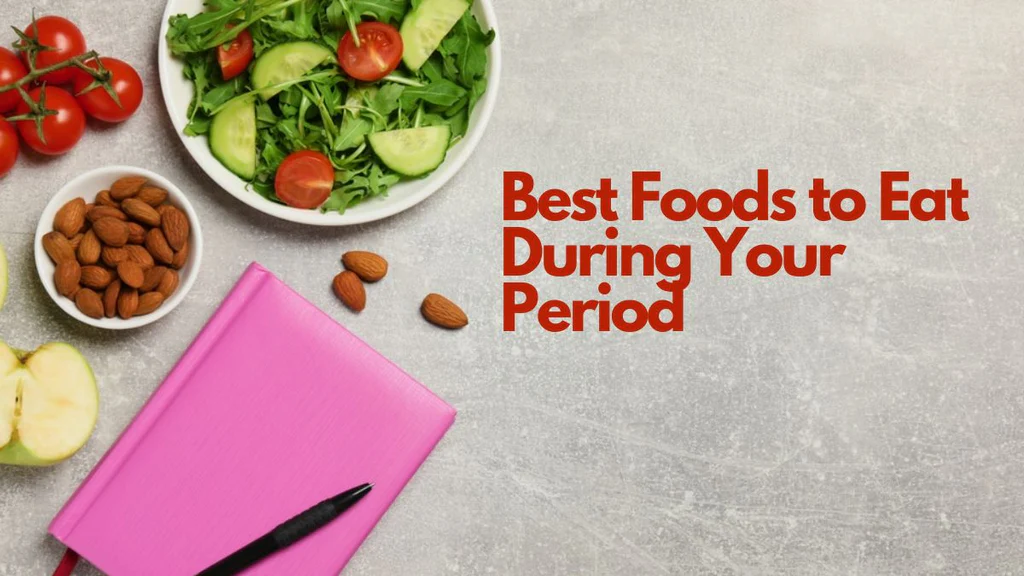
Think of this less as a strict list and more as a shopping guide. These are the foods for healthy periods worth building meals around:
- Leafy greens (spinach, kale, fenugreek/methi leaves) — iron to replace what you lose during your period, plus calcium that helps muscles relax instead of cramping.
- Fatty fish (salmon, sardines) — omega-3s that calm inflammation and take the edge off pain.
- Nuts and seeds (flaxseeds, pumpkin seeds, almonds, and walnuts)—magnesium and healthy fats that support hormone balance and ease PMS.
- Fruits (bananas, papaya, berries, citrus) — fibre, potassium, and antioxidants that help with bloating and steady energy; citrus also boosts iron absorption.
- Whole grains (oats, quinoa, brown rice) — slow-release carbs that keep blood sugar even and support serotonin, which helps with mood.
- Dark chocolate (70% cocoa or higher) — genuinely useful for cramps and mood, thanks to its magnesium content, as long as you're not pairing it with a sugar crash.
- Herbal teas—ginger and chamomile are the two most commonly recommended for cramping and general discomfort.
What to Cut Back On
You don't need to eliminate any of these. Cutting back around the days you feel worst is usually enough to notice a difference.
Certain foods make period symptoms noticeably worse for a lot of women:
- Excess salt — water retention and bloating
- Sugar and processed food — blood sugar spikes that feed inflammation
- Too much caffeine — worse irritability, disrupted sleep, and sometimes more intense cramps
- Red meat and saturated fats in excess — can add to inflammation for some people
Eating Phase by Phase Through Your Cycle
Putting together a healthy diet for regular periods is easier when you think in phases rather than trying to eat "perfectly" every single day. Here's how to break it down.
A Simple Diet Chart for Regular Periods
This kind of phase-based eating is really just a more detailed version of a healthy diet for regular periods—you're not doing anything exotic, just matching your food a little more closely to what your hormones need at each stage.
If you like structure, here's a basic diet chart for regular periods you can adapt to your own cycle length:
- Menstrual phase (Days 1–5): Lean into iron—lentils, spinach, beetroot—and pair it with vitamin C (oranges, lemon) to help your body absorb that iron better.
- Follicular phase (Days 6–14): More protein and healthy fats to support the next phase of hormone production. Eggs, avocados, and nuts work well here.
- Ovulation (around Day 14): Prioritise hydration and antioxidant-rich foods like berries and citrus.
- Luteal phase (Days 15–28): This is PMS territory for most people, so lean on complex carbs (oats, quinoa) and magnesium-rich foods (pumpkin seeds, bananas) to keep mood and cravings in check.
Food for Period Cramps
On the flip side, salty snacks, fried food, and too much caffeine tend to make cramping and bloating worse for most people. If you're looking for a quick answer to "What's the best food to eat during a period?" the short version is iron-rich, warm, minimally processed, and light on salt and sugar.
Really, the search for good food for period cramps and the search for the right food to eat during the period in general usually lead to the same short list: ginger, magnesium-rich snacks, warm soups, and plenty of water.
If cramps are your main complaint, a few specific choices seem to help more than others. Good food for period cramps includes:
- Ginger tea, which has a mild anti-inflammatory effect
- Magnesium-rich foods like pumpkin seeds, spinach, and dark chocolate
- Omega-3s from salmon, walnuts, or flaxseeds
- Warm, easily digestible meals rather than heavy, greasy ones
What to Eat in Periods: A Simple Meal-by-Meal Guide
This kind of simple, meal-by-meal thinking is usually a more useful answer to what to eat in periods than any single "miracle food" because it's the overall pattern across the day—not one ingredient—that actually eases bloating, cramps, and fatigue. And if you only remember one rule for food to eat during period days, let it be this: keep meals warm, iron-rich, and light on salt, sugar, and caffeine.
If you're wondering exactly what to eat in periods on a day-to-day basis, it helps to break it down meal by meal instead of just thinking in terms of "good foods" and "bad foods":
- Breakfast: Oats or porridge with a banana and a few nuts, or eggs with whole-grain toast. Something warm and not too heavy is usually easier on the stomach during the first couple of days.
- Mid-morning snack: A handful of soaked almonds or walnuts, or a small bowl of papaya.
- Lunch: Dal or lentils with rice or roti, a portion of leafy greens like spinach or methi, and a side of curd or salad. This combination covers iron, protein, and fibre in one plate.
- Evening snack: Ginger or chamomile tea with a square or two of dark chocolate, especially if cramps are setting in.
- Dinner: Something light and warm — vegetable soup, khichdi, or grilled fish with sautéed vegetables — so digestion isn't working overtime while your body is already dealing with cramps and fatigue.
- Through the day: Keep sipping water and herbal teas rather than reaching for cold drinks or too much coffee.
Can We Do Exercise During Periods?
This is one of those super common questions, and the answer is almost always yes. Can we exercise during periods safely? Mostly absolutely, and for most people it actually feels better than worse. Research suggests women who move regularly tend to get less menstrual pain, fewer cramps, and calmer mood swings, maybe because the body responds to movement with a release of endorphins and serotonin, sort of like a natural nudge.
That doesn’t mean you have to force a hard gym session on the heaviest day. The real answer to can we exercise during periods is: scale the intensity to how you feel. Gentle yoga, a steady walk, swimming, or easy stretching on the tougher days, and your usual routine on the days you feel okay. Pay attention to your body rather than treating it like a strict rule either way.
Supplements Worth Knowing About
None of these are risk-free at high doses, so check with your doctor before starting anything new, especially if you're on other medication.
A good diet covers most of what you need, but some women do benefit from supplements, ideally with a doctor's input:
- Magnesium (around 300 mg, once or twice daily) — cramps, mood, sleep
- Vitamin B6 (stay under 50 mg/day) — PMS symptoms and mood swings
- Vitamin E (200 IU, starting a couple of days before your period) — pain and flow
- Vitamin D (1000 IU or more, doctor-guided) — cycle regulation, mood, muscle aches
- Calcium (around 1200 mg/day) — cramps, fluid retention, cravings
- Omega-3/fish oil (1g, one to three times daily) — pain and inflammation
- Zinc — pain and low mood, in smaller studies
Lifestyle Habits That Make the Diet Work Better
Food doesn't operate in isolation. These habits tend to amplify the benefits of good nutrition:
- Move your body regularly — even light activity helps circulation and mood
- Manage stress — cortisol and reproductive hormones are closely linked
- Sleep 7–8 hours — hormone regulation happens largely while you sleep
- Stay hydrated — helps with bloating, headaches, and fatigue
Menstrual Health Diet Tips Worth Remembering
If you only take away a few things, make it these menstrual health diet tips:
- Iron and vitamin C go together — eat them in the same meal when you can.
- Magnesium is quietly one of the most useful nutrients for cramps and mood.
- Cut back on salt, sugar, and caffeine in the days leading up to your period, not just during it.
- Consistency beats perfection — one clean week won't fix months of poor eating, but steady small changes will.
- A diet for regular periods works best alongside decent sleep and regular movement, not as a standalone fix.
When to See a Doctor
If you're ever unsure what to reach for, keep a short mental list of go-to foods to eat during period days—a handful of nuts, a banana, some ginger tea, or a warm bowl of dal—and you'll rarely go wrong.
Diet and lifestyle changes go a long way, but they're not a substitute for medical care. See a doctor or gynaecologist if you notice the following:
- Periods that are consistently irregular or missed
- Bleeding that's unusually heavy or prolonged
- PMS or emotional symptoms severe enough to disrupt daily life
- Suspected underlying conditions like PCOS or endometriosis
FAQs About Diet For Regular Periods
1. What is the best diet for menstrual health?
The best diet for menstrual health includes iron-rich foods (spinach, lentils), omega-3s (salmon, flaxseeds), whole grains, and magnesium-rich foods like pumpkin seeds and dark chocolate, with limited sugar, salt, and caffeine.
2. Can diet actually change your menstrual cycle?
Yes. Diet directly affects your menstrual cycle. Poor nutrition and erratic eating can disrupt hormone levels and cause irregular or missed periods, while a balanced diet supports more regular cycles.
3. Does skipping meals affect your period?
Yes. Skipping meals or chronic under-eating stresses the body and disrupts hormone signals, which can lead to irregular periods or missed cycles.
4. How much iron do I need during my period?
Adult women need about 18 mg of iron daily. This requirement increases during menstruation, especially with heavy bleeding, and can be met through iron-rich foods or supplements.
5. Is it safe to exercise on my period?
Yes, exercise is safe during your period. Light to moderate activity like walking, yoga, or swimming is generally recommended and can help reduce cramps and improve mood.
6. Can supplements help with irregular periods?
Yes. Magnesium, vitamin B6, omega-3 fatty acids, and iron supplements may help manage period symptoms and support cycle regularity but should be taken under medical guidance.
7. Which food is good for regular periods?
Foods good for regular periods include the following:
- Iron-rich foods: spinach, lentils, beetroot
- Omega-3 sources: salmon, flaxseeds, walnuts
- Whole grains: oats, quinoa, brown rice
- Magnesium-rich foods: pumpkin seeds, dark chocolate
8. What is the 7-2-1 rule for menstruation?
The 7-2-1 rule is a screening tool for heavy periods. It means seeing a doctor if your period lasts more than 7 days, you soak a pad or tampon every 2 hours, or you pass clots larger than 1 inch.
9. How can I get my period regular?
To get your period regular:
- Eat enough—don't skip meals
- Get sufficient iron and healthy fats
- Manage stress levels
- Sleep 7–8 hours a night
- Stay physically active. See a doctor if the irregularity continues for several months.
10. Is a 10-day period normal?
No, a 10-day period is not typically normal. Most periods last 3 to 7 days. Bleeding beyond 7–8 days is considered a long period (menorrhagia) and should be checked by a doctor if it recurs.
11. What are the signs your period is coming?
Common signs your period is coming include:
- Bloating
- Breast tenderness
- Mood swings or irritability
- Fatigue
- Food cravings
- Acne breakouts
- Lower back or abdominal cramping
- Headaches
- Trouble sleeping
12. Does ajwain water regulate periods?
Ajwain (carom seed) water is a traditional home remedy sometimes used for period cramps and bloating. However, there is no strong clinical evidence that it regulates the menstrual cycle.
14. Which fruit is best for periods?
Papaya and bananas are considered among the best fruits for periods. Papaya's carotene content may support oestrogen regulation, while bananas' potassium and vitamin B6 help with bloating and mood. Citrus fruits and berries add vitamin C and antioxidants.
15. How can I fix irregular periods naturally?
To fix irregular periods naturally:
- Don't skip meals; eat consistently
- Get enough iron, protein, and healthy fats
- Cut back on sugar and caffeine
- Manage stress
- Sleep well and stay active. See a doctor if irregularity persists beyond a few months.
The Bottom Line: Diet For Regular Periods
There's no single magic food that just fixes every period problem, but the overall pattern is pretty clear: eat more iron, omega-3s, magnesium, and fiber, and keep salt, sugar, and caffeine on the lower side, because that really does help support a smoother, less painful cycle.
Then add in regular moving around, decent sleep, and some stress management, and you’ve basically covered most of what you can control. For anything beyond that—persistent irregularity, heavy bleeding, or severe pain—that's your cue to loop in a doctor, rather than trying to out-diet a real medical issue.