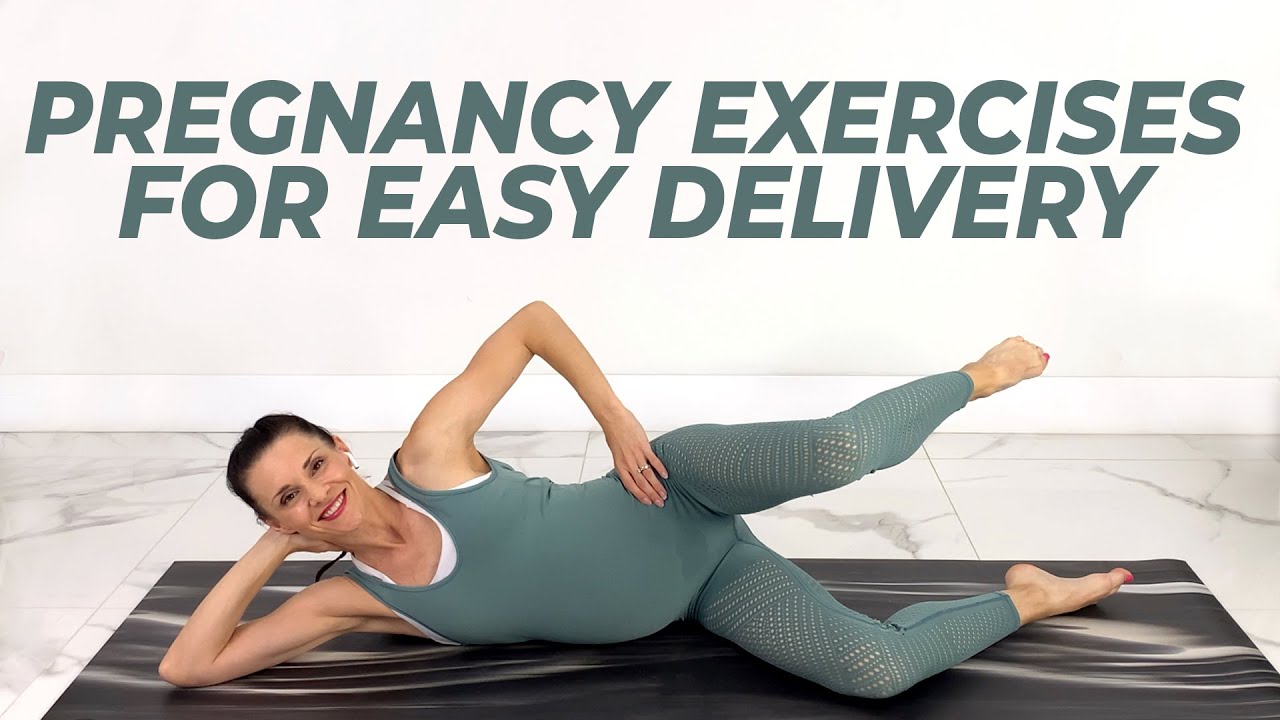
Safe & Effective Exercises for Pregnant Women
Pregnancy is a beautiful journey, but it also brings really noticeable physical and emotional changes, you know, kind of all at once. As your body starts adapting to support your growing baby, keeping active can help you feel more grounded, stronger, healthier, and frankly more comfortable through every part of pregnancy.
Many women worry that exercise might harm the baby. Still, for most healthy pregnancies, regular physical activity is not only safe but also really beneficial. If you follow a sensible prenatal routine, it can help ease back pain, improve circulation, support steady weight gain, build muscle endurance for labour, and make postpartum recovery feel a bit easier.
In this guide, we’ll cover the best exercises for pregnant women, trimester-by-trimester recommendations, and common safety precautions. We’ll also include a simple pregnancy workout plan you can keep using throughout your pregnancy, even if your energy changes.
Important: Always consult your gynaecologist before starting any new exercise program during pregnancy, especially if you have a high-risk pregnancy or medical complications.
Benefits of Exercise During Pregnancy
Regular exercise offers numerous benefits for both mother and baby.
These benefits make safe exercise during pregnancy an important part of a healthy lifestyle.
- Reduced back pain and body aches
- Improved blood circulation
- Better posture and balance
- Reduced pregnancy-related fatigue
- Better sleep quality
- Healthier weight management
- Improved mental well-being
- Easier labor and delivery preparation
- Faster post-pregnancy recovery
General Guidelines for Exercising During Pregnancy
One simple rule is the "talk test." During exercise, you should still be able to hold a conversation comfortably.
Before starting any prenatal exercise routine, keep these important safety rules in mind:
- Exercise at a comfortable pace.
- Stay hydrated before, during, and after workouts.
- Avoid overheating.
- Wear supportive footwear.
- Warm up before exercising and cool down afterward.
- Stop immediately if you feel dizzy, breathless, or experience pain.
- Avoid lying flat on your back for extended periods after the first trimester.
- Avoid activities with a high risk of falling or abdominal injury.
Best Safe Exercises During Pregnancy
The following exercises for pregnant women are generally considered safe and effective.
1. Walking
Aim for 20–30 minutes of brisk walking most days of the week.
Walking forms the foundation of many pregnancy workout plans. Walking is one of the easiest and safest activities for expectant mothers.
- Improves cardiovascular health
- Supports healthy weight gain
- Enhances circulation
- Reduces swelling
2. Pelvic Floor Exercises (Kegels)
Pelvic floor muscles support the bladder, uterus, and bowel. Pregnancy places additional pressure on these muscles.
Regular Kegel exercises can help reduce urinary leakage and support recovery after childbirth.
These are among the most important pelvic floor exercises for pregnant women.
How to Perform Kegels:
- Sit or lie comfortably.
- Tighten the muscles used to stop urine flow.
- Hold for 5–10 seconds.
- Relax completely.
- Repeat 10–15 times.
3. Pelvic Tilts
Pelvic tilts strengthen abdominal muscles and help reduce lower back discomfort.
This exercise is especially useful for managing pregnancy-related back pain.
How to Perform:
- Stand against a wall.
- Keep knees slightly bent.
- Pull your belly button toward your spine.
- Flatten your back against the wall.
- Hold for 4–5 seconds.
- Relax and repeat 10 times.
4. Cat-Cow Stretch
The cat-cow stretch improves spinal mobility and relieves tension in the lower back.
This is one of the most effective exercises for pregnant women with back pain.
How to Perform:
- Start on all fours.
- Slowly arch your back upward.
- Then gently lower your belly while lifting your chest.
- Move slowly with your breathing.
- Repeat 10 times.
5. Wall Push-Ups
Wall push-ups strengthen the chest, shoulders, and arms without placing stress on the abdomen.
How to Perform:
- Stand facing a wall.
- Place hands slightly wider than shoulder-width apart.
- Slowly bend elbows toward the wall.
- Push back to the starting position.
- Repeat 10–15 times.
6. Squats
Squats strengthen the lower body and help prepare the pelvis for labor. Use a wall or stability ball for support if needed.
These are often included in exercises for pregnant women for normal delivery programs.
- Strengthens legs and hips
- Improves flexibility
- Supports labor preparation
7. Swimming and Water Aerobics
Swimming is one of the safest forms of exercise during pregnancy.
Water-based workouts are excellent safe exercises during pregnancy, particularly during the third trimester.
- Supports body weight
- Reduces joint stress
- Improves circulation
- Relieves swelling
8. Stationary Cycling
A stationary bike offers cardiovascular benefits without the fall risk associated with outdoor cycling.
- Improves stamina
- Supports heart health
- Reduces stress on joints
Month-by-Month Pregnancy Exercises
Many women search for month-by-month pregnancy exercises because exercise needs change throughout pregnancy.
First Trimester (Months 1–3)
Avoid overexertion, especially if fatigue or nausea is severe. Focus on maintaining your existing activity level.
Recommended activities:
- Walking
- Pelvic floor exercises
- Light stretching
- Breathing exercises
- Prenatal yoga
Second Trimester (Months 4–6)
This is usually the easiest phase to follow a regular prenatal exercise routine. Energy levels often improve during this stage.
Recommended activities:
- Walking
- Squats
- Wall push-ups
- Swimming
- Cat-Cow stretches
- Pelvic tilts
Third Trimester (Months 7–9)
Many women look for exercises for pregnant women in the third trimester to prepare for delivery and reduce discomfort. Focus on comfort, flexibility, and labor preparation.
Recommended activities:
- Gentle walking
- Kegel exercises
- Breathing exercises
- Pelvic tilts
- Light stretching
- Swimming
Simple Pregnancy Workout Plan
This pregnancy workout plan can be adjusted based on your fitness level and doctor's advice.
Here's a beginner-friendly pregnancy workout plan suitable for most healthy pregnancies:
Monday
- 30-minute walk
- Pelvic floor exercises
Tuesday
- Wall push-ups
- Cat-Cow stretches
- Breathing exercises
Wednesday
- Swimming or water aerobics
Thursday
- Walking
- Pelvic tilts
Friday
- Squats
- Kegel exercises
Saturday
- Light stretching
- Prenatal yoga
Sunday
- Gentle walk and relaxation
Breathing Exercises During Pregnancy
Regular breathing exercises for pregnant women promote relaxation and improve oxygen flow.
Breathing exercises help reduce stress and prepare the body for labor.
Simple Breathing Exercise
- Sit comfortably.
- Inhale deeply through the nose.
- Expand your abdomen gently.
- Exhale slowly through the mouth.
- Repeat for 5–10 minutes.
Exercises to Avoid During Pregnancy
After the first trimester, avoid lying flat on your back for extended periods. Not every workout is suitable during pregnancy.
Avoid:
- Contact sports
- Scuba diving
- Horse riding
- Downhill skiing
- High-impact jumping exercises
- Activities with a risk of falling
- Heavy lifting without professional supervision
When to Stop Exercising and Call Your Doctor
Stop exercising immediately and seek medical advice if you experience:
- Vaginal bleeding
- Severe dizziness
- Chest pain
- Difficulty breathing
- Strong contractions
- Fluid leakage
- Severe abdominal pain
Expert Pregnancy Care in Agra
Exercise in pregnancy should, ideally, go hand in hand with regular prenatal checkups and ongoing professional medical advice. It's not really something to wing, even if the movement itself feels easy, because your body changes and the timing matters, kind of a lot.
For mothers who are looking for expert pregnancy care, Dr. Anushree Rawat, who is widely seen as one of the best gynaecologists in Agra, offers full-spectrum prenatal support, pregnancy coaching, guidance for higher-risk pregnancies, plus individualized suggestions so moms can remain well during the whole pregnancy span.
When you consult a seasoned gynaecologist, you make sure that your prenatal exercise plan is safe and that it matches your own needs and medical background.
Conclusion: exercises for pregnant women
Staying active while pregnant can help with your physical health, lift your mood, and, in a way, get your body ready for labor and delivery too. The trick is really to pick exercises that are safe during pregnancy and to pay attention to what your body is telling you. Not everything feels the same for everyone, and that's normal.
For many expectant mothers, an effective prenatal routine can include things like walking, swimming, pelvic floor training, breathing exercises, and light strength work. These are simple, but they add up.
Keep in mind every pregnancy is different. It’s always smart to talk with your healthcare provider before starting any brand new workout plan, then adjust the movements as your pregnancy moves along and changes.
Also, a healthy pregnancy usually isn't about intense workouts. It’s more about being active in a comfortable way, feeling grounded, and staying confident through the whole journey.
FAQs About Pregnancy Workout Plans
1. What are the safest exercises during pregnancy?
Walking, swimming, pelvic floor exercises, prenatal yoga, breathing exercises, and light strength training are considered some of the safest exercises during pregnancy.
2. Can I start exercising if I wasn't active before pregnancy?
Yes. Most women can safely begin a gentle prenatal exercise routine during pregnancy, but it's important to start slowly and consult a healthcare provider first.
3. How much exercise should a pregnant woman do daily?
Most healthy pregnant women can aim for about 30 minutes of moderate activity on most days, depending on their doctor's recommendations.
4. Are Kegel exercises important during pregnancy?
Yes. Pelvic floor exercises help strengthen muscles that support the bladder and uterus, reducing the risk of urinary leakage and aiding postpartum recovery.
5. Which exercises help with normal delivery?
Squats, pelvic floor exercises, walking, breathing exercises, and pelvic tilts are commonly recommended as exercises for pregnant women for normal delivery.
6. What are the best exercises for pregnant women with back pain?
Cat-cow stretches, pelvic tilts, walking, and swimming are among the most effective exercises for pregnant women with back pain.
7. Is it safe to exercise during the third trimester?
Yes. Many safe exercises during pregnancy can continue into the third trimester, including walking, swimming, stretching, and pelvic floor exercises, provided your doctor approves.
8. Which exercises should be avoided during pregnancy?
Pregnant women should avoid contact sports, scuba diving, high-impact activities, horse riding, and exercises with a high risk of falling or abdominal injury.