
Magnesium During Pregnancy: Benefits for Mother and Baby
If you are searching for the best gynecologist in Agra for expert advice on nutrition, pregnancy, menstrual health, fertility, or menopause, understanding magnesium for women can significantly improve your overall well-being. Among all the essential minerals for women, magnesium stands out for the sheer number of body systems it supports, which is why so many women now look into women's health supplements to help close the gap left by modern diets.
Magnesium is one of the body's most important minerals, participating in more than 300 enzyme reactions. Despite its importance, many women consume less magnesium than recommended, and magnesium deficiency in women is more common than most people realize. Low magnesium levels may contribute to menstrual cramps, PMS, migraines, fatigue, poor sleep, pregnancy complications, and reduced bone health. Evidence suggests magnesium may have a role in relieving dysmenorrhea, PMS symptoms, menstrual migraine, and some menopausal symptoms, although supplementation should be individualized and guided by a healthcare professional.
Why Magnesium is Important for Women's Health
Because women's nutritional needs change during menstruation, pregnancy, breastfeeding, and menopause, adequate magnesium intake becomes especially important. This is one reason magnesium for hormonal health is now a frequent topic of conversation between patients and gynecologists—the mineral quietly influences the hormonal shifts women experience across every decade of life.
Magnesium supports:
- Hormonal balance
- Muscle and nerve function
- Energy production
- Bone strength
- Heart health
- Blood sugar regulation
- Better sleep
- Healthy pregnancy
- Mood regulation
Benefits of Magnesium for Women
The magnesium benefits for women span nearly every life stage, from the first period to the years after menopause. Understanding the magnesium benefits for women in detail can help you decide, together with your gynaecologist, whether a dietary change or a supplement makes more sense for you. Here is a closer look at where the evidence is strongest and how the magnesium benefits for women show up in everyday symptoms.
1. Magnesium for Menstrual Cramps
Many women experience painful periods every month. Magnesium helps relax uterine muscles and may reduce the severity of menstrual cramps in some women.
It may help by:
- Reducing muscle spasms
- Improving blood flow
- Decreasing prostaglandin-related pain
2. Magnesium and PMS (Premenstrual Syndrome)
Some studies suggest magnesium supplementation may improve certain PMS symptoms, though evidence is mixed and not all women benefit equally. Because PMS symptoms overlap so heavily with stress and poor rest, many women also explore magnesium for sleep and stress as a complementary strategy alongside dietary changes.
Women with PMS often experience the following:
- Mood swings
- Irritability
- Anxiety
- Breast tenderness
- Bloating
- Fatigue
3. Magnesium for Pregnancy
Pregnancy increases the body's demand for magnesium, which is why magnesium for pregnancy is a topic every expecting mother should discuss with her obstetrician.
Women should not start magnesium supplements without medical advice, especially during pregnancy. When it comes to magnesium for pregnancy, timing, dosage, and the underlying reason for supplementation all need to be assessed individually rather than self-prescribed.
Adequate magnesium intake supports:
- Healthy muscle function
- Reduced leg cramps
- Better sleep
- Maternal bone health
- Normal fetal growth
4. Magnesium and Fertility
Questions about magnesium for pregnancy often come up alongside fertility planning too. For couples planning pregnancy, magnesium supports normal cellular function and overall health. While it is an important nutrient for magnesium for women trying to conceive, magnesium alone is not an infertility treatment, and fertility concerns require a comprehensive medical evaluation.
5. Magnesium for Bone Health and Menopause
A magnesium-rich diet contributes to magnesium for bone health, although more research is needed to define its exact role in preventing osteoporosis. Alongside calcium and vitamin D, it is increasingly recognized as part of a complete post-menopausal care plan.
After menopause, women become more vulnerable to:
- Bone loss
- Sleep disturbances
- Muscle cramps
- Mood changes
6. Magnesium and Migraine
Many women experience menstrual migraines. Research suggests magnesium supplementation may reduce migraine frequency in some individuals and is considered probably effective for migraine prevention by neurology guidelines.
Interest in magnesium for sleep and stress has also grown as more women look for non-drug ways to unwind after a long day.
Signs of Magnesium Deficiency in Women
These symptoms are not specific to magnesium deficiency in women, so proper medical assessment is important. If several of these signs sound familiar, it may be worth discussing them and possible testing with your gynaecologist rather than self-diagnosing.
You may need evaluation if you experience:
- Frequent muscle cramps
- Fatigue
- Weakness
- Poor sleep
- Anxiety
- Irritability
- Headaches
- Constipation
- Eye twitching
- Palpitations
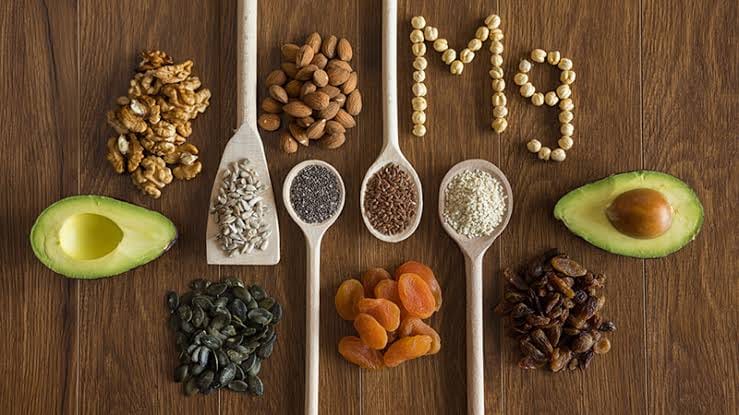
Best Magnesium-Rich Foods
Building meals around these magnesium-rich foods can meaningfully improve intake for most women without the need for supplementation at all.
Including more magnesium-rich foods in your daily diet is usually the safest first step before considering any supplement. Include:
- Pumpkin seeds
- Almonds
- Cashews
- Peanuts
- Spinach
- Methi
- Broccoli
- Whole grains
- Oats
- Brown rice
- Rajma
- Chana
- Soybeans
- Avocado
- Bananas
- Dark chocolate (in moderation)
Who Is at Higher Risk of Low Magnesium?
- Pregnant women
- Breastfeeding mothers
- Women with diabetes
- Women with gastrointestinal disorders affecting absorption
- Women taking certain medications such as some diuretics or proton pump inhibitors
- Older women
Should You Take Magnesium Supplements?
Not every woman needs a magnesium supplement, and not all women's health supplements on the market are backed by strong evidence. Supplementation should be considered only after assessment by a qualified doctor. Excess magnesium from supplements can cause diarrhea and, in rare cases, more serious complications, particularly in people with kidney disease. As with any of the essential minerals for women discussed here, more is not always better — the goal is adequacy, not excess.
When Should You Consult a Gynaecologist?
Consult Dr. Anushree Rawat if you have:
- Severe menstrual pain
- Recurrent PMS symptoms
- Heavy periods
- Pregnancy-related nutritional concerns
- Menopausal symptoms
- Recurrent migraines around menstruation
- Fertility concerns
- Persistent fatigue or muscle cramps
Why Choose Dr. Anushree Rawat?
If you're looking for the best gynecologist in Agra, pregnancy specialist in Agra, high-risk pregnancy doctor in Agra, or infertility specialist in Agra, Dr. Anushree Rawat provides evidence-based, personalized guidance on magnesium for women and other essential minerals for women at every stage of life.
Contact Details: Dr. Anushree Rawat, Agra Woman Wellness Centre 5, Civil Lines, Church Road, Agra, Uttar Pradesh. Appointment: 9528821838
FAQs About Magnesium For Pregnancy
1. Why is magnesium important for women's health?
Magnesium supports more than 300 biochemical processes in the body. It plays an important role in muscle function, nerve health, bone strength, hormone regulation, energy production, blood sugar control, and heart health. It is especially important during menstruation, pregnancy, and menopause, which is why magnesium for women deserves attention at every life stage.
2. Can magnesium help with menstrual cramps?
Yes. Magnesium may help relax uterine muscles and reduce the severity of menstrual cramps in some women. It is often considered as part of a comprehensive approach to managing dysmenorrhea.
3. Does magnesium reduce PMS symptoms?
Some studies suggest magnesium may improve symptoms such as mood swings, bloating, breast tenderness, and irritability. However, responses vary from person to person, and medical guidance is recommended before starting women's health supplements.
4. Is magnesium safe during pregnancy?
Magnesium is an essential nutrient during pregnancy, but supplements should only be taken after consulting a qualified obstetrician or gynaecologist to ensure the correct dose and avoid unnecessary supplementation. Anyone researching magnesium for pregnancy online should still confirm dosage with their own doctor.
5. Can magnesium improve fertility?
Magnesium supports overall reproductive health and normal cellular function, but it is not an infertility treatment. Couples with difficulty conceiving should undergo a complete fertility evaluation.
6. Is magnesium beneficial during menopause?
Adequate magnesium intake may support magnesium for bone health, improve sleep quality, and help with muscle function during menopause as part of a balanced diet and healthy lifestyle.
7. Should every woman take a magnesium supplement?
No. Most women can meet their magnesium needs through a balanced diet rich in magnesium-rich foods. Supplements should only be taken if advised by a healthcare professional, because excess supplemental magnesium can cause side effects and may interact with certain medications.
8. How is magnesium linked to sleep and stress?
Many women report better rest after correcting a shortfall, which is why magnesium for sleep and stress is often one of the first benefits patients notice once their levels are back in range.