
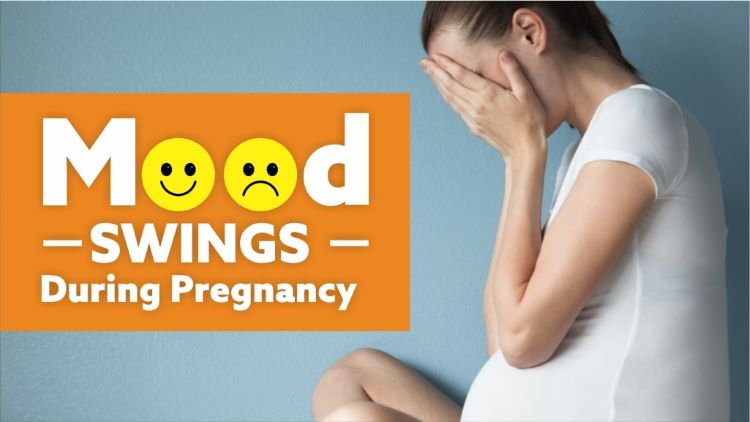
Pregnancy is, like, one of the most gorgeous journeys in a woman's life, but it also comes with this big swirl of feelings. One moment you’re like really excited for your baby’s arrival, and then the next moment you might feel worried, super overwhelmed, or just unexpectedly teary. So if you’ve been asking yourself when pregnancy mood swings start, you’re definitely not the only one with that question.
Pregnancy mood swings are among the most common things many people experience while pregnant. These emotional highs and lows are a normal reaction to the physical, hormonal, and even psychological shifts going on inside your body. When you understand why it happens and what you can do about it, the whole pregnancy ride can feel more steady and, frankly, more pleasant too.
What Are Pregnancy Mood Swings?
Pregnancy mood swings mean sudden and often pretty intense feelings that happen during pregnancy. You might feel upbeat and full of drive in one moment and then, later on, feel tearful or kind of irritated just like that, with no real warning.
These pregnancy emotional symptoms are really common, and they happen to many women during pregnancy. Even though every pregnancy is different, emotional ups and downs are often a natural thing, like a mental rehearsal and physical adjustment for motherhood.
When Do Pregnancy Mood Swings Start?
One of the most common questions expecting mothers ask is: when do pregnancy mood swings start?
For most women, mood swings early pregnancy begin between the 6th and 10th week of pregnancy. During this period, hormone levels rise rapidly, causing significant emotional changes.
If you're wondering when pregnancy mood swings start, the answer is usually during the first trimester when estrogen and progesterone levels increase dramatically.
Many women notice:
- Increased sensitivity
- Sudden crying spells
- Irritability
- Anxiety
- Feeling overwhelmed
- Excitement mixed with fear
Why Do Pregnancy Mood Swings Happen?
Several factors contribute to mood swings during pregnancy, with hormones being the primary cause.
1. Hormonal Changes
The biggest reason behind those hormonal changes during pregnancy, like emotions, is the rapid surge of estrogen and progesterone.
These hormones directly nudge neurotransmitters in the brain, the ones that manage mood, feelings, and stress responses.
So with hormonal changes in pregnancy emotions, even little situations can seem, frankly, too much to handle.
Hormonal changes in pregnancy emotions can lead to the following:
- Increased anxiety
- Irritability
- Emotional sensitivity
- Mood fluctuations
- Difficulty managing stress
2. Physical Fatigue and Sleep Deprivation
Pregnancy can be exhausting.
During the first trimester, your body works hard to support your growing baby. Fatigue can make pregnancy mood swings feel more intense.
In the third trimester, discomfort, back pain, frequent urination, and difficulty sleeping can further contribute to mood swings during pregnancy.
3. Morning Sickness
Persistent nausea and vomiting can impact both physical and emotional well-being.
Many women experience frustration, stress, and sadness when morning sickness interferes with daily life. These experiences often contribute to emotional symptoms during pregnancy.
4. Anxiety About Motherhood
These concerns are normal and often influence mental health during pregnancy.
Questions like:
- Will I be a good mother?
- Is my baby healthy?
- How will my life change?
- Am I financially prepared?
5. Body Changes
As your body changes, you may experience mixed emotions.
Some women feel empowered and excited, while others struggle with body image concerns. These feelings contribute to the overall emotional changes during pregnancy.
Common Emotional Changes During Pregnancy
These emotional changes during pregnancy are often temporary and tend to fluctuate throughout the pregnancy journey.
Every woman experiences emotional changes during pregnancy differently. However, some common feelings include:
- Happiness and Excitement: The anticipation of meeting your baby can create moments of joy and excitement.
- Anxiety: Concerns about labor, delivery, and parenting are common aspects of mental health during pregnancy.
- Irritability: Hormonal fluctuations and fatigue can increase frustration levels.
- Sadness: Occasional sadness is normal, but persistent sadness should be discussed with a healthcare provider.
- Increased Sensitivity: Many women find themselves crying more easily due to pregnancy emotional symptoms.
Expert Gynaecological Care in Agra
If you’re dealing with pregnancy-related concerns or emotional hurdles, or you simply need expert prenatal guidance, it’s best to consult Dr. Anushree Rawat, who is widely recognized as one of the best gynaecologists in Agra.
With a caring approach and a lot of hands-on experience in women’s well-being, pregnancy care, and high-risk pregnancy management, Dr. Anushree Rawat supports expecting mothers so they can have a healthier, more confident pregnancy journey.
Mood Swings Early Pregnancy: What to Expect
Mood swings early pregnancy are often strongest during the first trimester.
Understanding that mood swings early pregnancy are normal can help reduce unnecessary stress.
This happens because:
- Hormone levels rise rapidly.
- The body undergoes major physical adjustments.
- Morning sickness begins.
- Fatigue becomes more noticeable.
During this stage, mood swings in early pregnancy may include:
- Sudden tears
- Increased frustration
- Feeling overwhelmed
- Emotional sensitivity
How to Manage Pregnancy Mood Swings
While you cannot eliminate pregnancy mood swings, there are several ways to reduce their intensity.
Get Enough Sleep
Quality sleep supports emotional stability.
Try to:
- Maintain a consistent sleep schedule
- Take short naps if needed
- Use pregnancy pillows for comfort
Eat Balanced Meals
Good nutrition supports both physical health and mental health during pregnancy. Low blood sugar can worsen mood changes.
Choose:
- Fruits and vegetables
- Whole grains
- Protein-rich foods
- Healthy snacks throughout the day
Stay Active
Exercise is one of the most effective ways to manage mood swings during pregnancy. Light physical activity releases endorphins, which naturally improve mood.
Consider:
- Walking
- Swimming
- Prenatal yoga
- Stretching exercises
Practice Relaxation Techniques
Managing stress can significantly improve emotional well-being. These techniques can help balance emotional changes during pregnancy.
Try:
- Deep breathing exercises
- Meditation
- Prenatal yoga
- Listening to calming music
Talk About Your Feelings
Sharing your feelings can improve mental health during pregnancy and reduce emotional stress. Don't keep your emotions bottled up.
Speak with:
- Your partner
- Family members
- Friends
- Support groups
Be Kind to Yourself
Accepting these pregnancy emotional symptoms can make them easier to manage. Pregnancy is a major life transition.
Remember:
- Your emotions are valid.
- Not every day will feel perfect.
- Emotional ups and downs are normal.
When Should You Seek Professional Help?
Although pregnancy mood swings are normal, there are times when professional support is necessary.
Protecting your mental health during pregnancy is just as important as caring for your physical health.
Talk to your healthcare provider if you experience:
- Persistent sadness lasting more than two weeks
- Severe anxiety
- Panic attacks
- Loss of interest in daily activities
- Feelings of hopelessness
- Difficulty functioning normally
Supporting Mental Health During Pregnancy
Maintaining strong mental health during pregnancy benefits both mother and baby.
Remember, emotional wellness is a vital part of a healthy pregnancy. Healthy habits include:
- Getting enough rest
- Staying physically active
- Eating nutritious meals
- Building a support system
- Seeking professional help when needed
FAQs About Pregnancy Mood Swings
1. When do pregnancy mood swings start?
Most women notice pregnancy mood swings between weeks 6 and 10 of pregnancy, during the first trimester when hormone levels rise rapidly.
2. Are mood swings an early sign of pregnancy?
Yes. Mood swings early pregnancy can be one of the first signs of pregnancy due to rapid hormonal changes.
3. How long do pregnancy mood swings last?
They may occur throughout pregnancy but are usually most noticeable during the first and third trimesters.
4. What causes pregnancy mood swings?
The main causes include hormonal changes in pregnancy, emotions, fatigue, stress, anxiety, morning sickness, and physical changes in the body.
5. Are emotional changes during pregnancy normal?
Absolutely. Emotional changes during pregnancy are a natural response to the physical and hormonal adjustments taking place.
6. Can pregnancy mood swings affect my baby?
Normal emotional fluctuations generally do not harm your baby. However, severe depression or anxiety should be addressed with a healthcare provider.
7. How can I reduce mood swings during pregnancy?
Healthy sleep, regular exercise, balanced nutrition, stress management, and emotional support can help manage mood swings during pregnancy.
8. When should I see a doctor about pregnancy mood swings?
Seek medical help if emotional symptoms persist for more than two weeks or significantly affect daily life.