
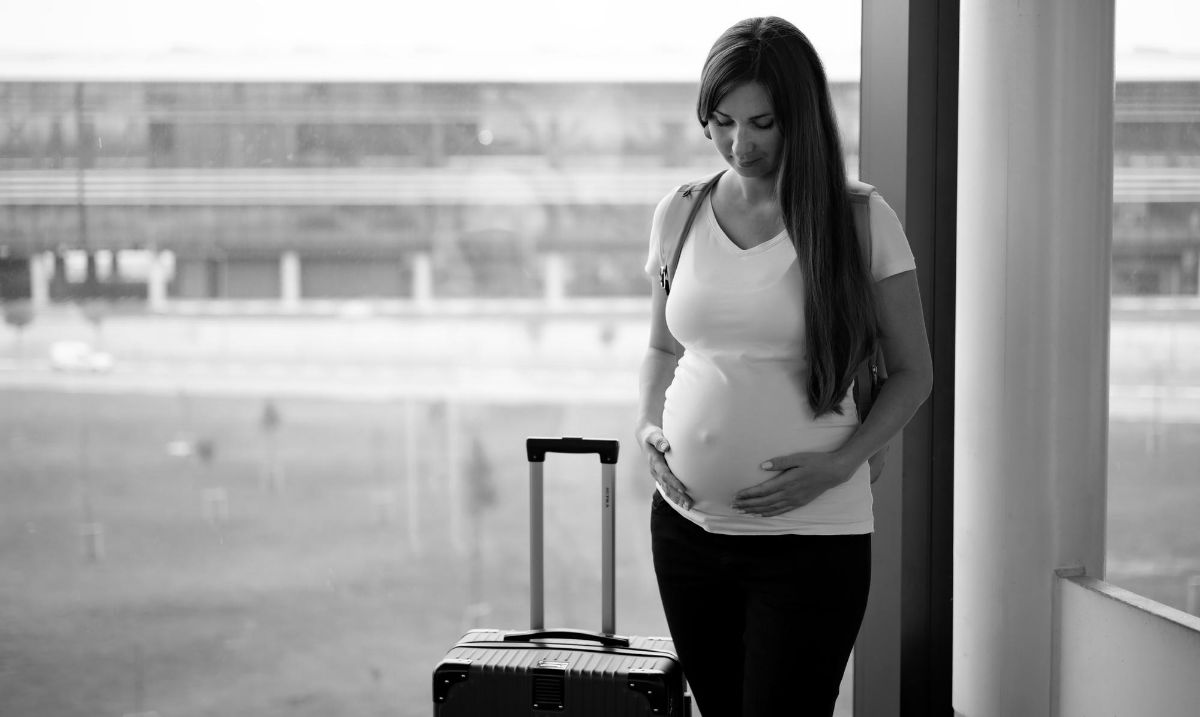
Essential Tips for Safe Travel During Pregnancy
Pregnancy doesn’t have to mean you put your suitcase away, like, forever. A family wedding, a work trip, or one last babymoon before the baby shows up… whatever the reason, a lot of soon-to-be mothers reach the same question at some point: Is it safe to travel while pregnant?
For most women with an uncomplicated, lower-risk pregnancy, the answer is yes. But that “yes” is kind of tied up in a few conditions: the right timing, the right prep, and a doctor’s go-ahead before you actually book anything. This guide pulls together what you really need to know about moving around during pregnancy, from picking the best trimester to flying, then packing a sort of hospital-ready travel bag, and figuring out when it’s just better to stay nearer to home.
Is It Safe to Travel During Pregnancy?
Traveling while pregnant brings a ton of questions, so let’s tackle the big one right away: Is it safe to travel during pregnancy? For most healthy pregnancies, yes—but “most” is doing most of the heavy lifting there. Whether you’re safe on the road or up in the air depends on how far along you are, whether you’re expecting one baby or more, and whether any complications popped up along the way.
Before you commit to flights or start booking hotels, it’s smart to have a real conversation with your obstetrician. They know your past, your current stats, and any warning signs in a way that no article, or even the most reliable blog, ever really matches. Once you get that green light, the rest of this guide should help you map out a trip that feels relaxed, practical, and medically grounded.
When Is the Best Time to Travel? The Second-Trimester "Golden Window"
If you’re wondering, is it ok to travel while pregnant at any particular stage? Most obstetricians point to one clear kind of answer: the second trimester, roughly weeks 14 through 28, is the sweet spot.
Many women end up avoiding travel in that first trimester just because they don’t feel like it, kind of simply, and then in the third trimester, most people decide to stay nearer to home and their care team. So if someone asks you, "Can we travel during pregnancy and when?, the second trimester is almost always the recommended reply.
Here's why this window works so well:
- Morning sickness has usually faded. The nausea and fatigue of the first trimester tend to ease up by now.
- Energy levels bounce back. You're not yet carrying the extra weight and discomfort of the third trimester.
- Miscarriage risk drops. The first 12 weeks carry a higher baseline risk of pregnancy loss, independent of travel.
- You're not yet in the "any day now" zone. Late pregnancy brings a higher chance of early labor, especially after 37 weeks (around 32 weeks if you're expecting twins).
Air Travel During Pregnancy
Flying is one of the most common questions expectant travelers have, and the good news is that air travel during pregnancy isn't inherently harmful to you or your baby in most cases. That said, there are rules and precautions worth knowing before you head to the airport.
Airline Policies
- Most domestic airlines allow pregnant passengers to fly up to 36 weeks.
- International routes are often stricter, sometimes capping travel at 28 to 32 weeks.
- After 28 weeks, many airlines will ask for a signed letter from your doctor or midwife confirming your due date and that you're not at risk of complications. This can take a few weeks to arrange and sometimes comes with a fee, so request it early.
- Always double-check the specific carrier's policy before booking — rules vary from airline to airline.
In-Flight Comfort and Safety
- Book an aisle seat so you can get up easily to stretch or use the restroom.
- Hydrate constantly. Cabin air is very dry, and dehydration can contribute to contractions.
- Fasten your seatbelt correctly — the lap belt should sit low, under your belly and across your hips, not across your bump.
- Move regularly. Walk the aisle or flex your ankles and calves every 30 minutes or so during long-haul flights to keep circulation going.
Preventing Blood Clots (DVT) While Flying
Pregnancy naturally increases your blood's clotting factors, and sitting still for long stretches (generally more than 4 hours) raises your risk of deep vein thrombosis (DVT) — a clot that typically forms in the leg. To reduce that risk:
- Wear graduated compression or support stockings, available at most pharmacies.
- Do ankle circles and calf raises while seated.
- Avoid crossing your legs at the knees or ankles.
- Get up and walk whenever it's safe to do so.
Road Trips: What to Know Before You Drive
Long car journeys deserve just as much planning as a flight. A few pregnancy travel guidelines worth following on the road:
- Stop every 1.5 to 2 hours. Get out, stretch, and walk for about 10 minutes to keep your circulation moving.
- Wear your seatbelt properly. The lap belt goes under your belly across your hips; the shoulder strap crosses between your breasts, never behind your back or under your arm, and never directly across your bump.
- Adjust your seat for airbag safety. Keep it pushed back as far as you can while still comfortably reaching the pedals, to maintain distance from the airbag and steering wheel.
- Don't drive solo on long trips if you can avoid it. Road accidents remain one of the more common causes of injury during pregnancy, so having a companion to share the driving — or simply be there if you feel unwell — is a smart move.
- Stay fueled and hydrated. Keep water and energy-giving snacks like fruit or nuts within reach, since tiredness and dizziness are common during pregnancy.
Sailing and Cruises
Ferry and cruise people: operators really do set their own rules, and a lot of them restrict travel for passengers who are heavily pregnant—usually around 32 weeks for the normal crossings and 28 weeks for the faster, high-speed routes.
If a cruise is part of your itinerary, take a look at the company policy beforehand, and also double-check if the ship has onboard medical facilities and what kind of treatment is available when you are at each port of call.
When Travel Might Not Be a Good Idea
Not every pregnancy is the same, and whether it's safe to travel while pregnant isn't a one-size-fits-all answer when certain medical conditions are involved. Your doctor may advise against travel — or recommend postponing it — if any of the following apply:
If any of these apply to you, your doctor is the one to make the final call — not a checklist on the internet.
- History of preterm labor or a short cervix. Unexpected contractions need immediate medical attention, and travel can put you far from the right care.
- Placenta previa or placental abruption. These conditions can cause sudden, heavy bleeding that requires urgent, specialized treatment.
- Carrying twins or multiples. The risk of early labor rises with multiples, and many doctors recommend limiting travel after 24–28 weeks for twin pregnancies, earlier for higher-order multiples.
- High blood pressure or preeclampsia. Dehydration, stress, and altitude changes can all aggravate these conditions, and warning signs like headaches or vision changes shouldn't be ignored on the road.
- Uncontrolled diabetes. Irregular meals and disrupted routines while traveling can throw blood sugar levels off balance.
- Heart or lung conditions. Altitude changes and physical exertion can add strain your body may not be ready for.
- History of blood clots (DVT or pulmonary embolism). Sitting still for long periods raises clotting risk even further.
- Fetal growth concerns. Missing scheduled Doppler scans or growth ultrasounds isn't worth the risk if your baby needs closer monitoring.
- Any bleeding or spotting. This needs to be investigated by your care team before any travel is considered.
- Severe anemia or active infection. Recovering first is safer than traveling while your body is already under strain.
Vaccinations, Malaria, and Zika
If your trip is international, health precautions go beyond the plane ride itself.
- Live vaccines are generally avoided during pregnancy, though some may still be considered if the risk of infection outweighs the risk of vaccination — this is a judgment call for your doctor to make.
- Non-live (inactivated) vaccines are considered safe during pregnancy.
- Anti-malaria medication isn't uniformly safe in pregnancy; some tablets are fine, others aren't, so check with your doctor before you travel to a malaria-risk region.
- Zika virus is a serious concern for pregnant travelers. It's generally advised to avoid destinations with known Zika transmission, including parts of South and Central America, the Caribbean, the Pacific islands, Africa, and Asia. Check the current risk level for your specific destination before booking.
Food and Water Safety Abroad
Traveller's diarrhoea and stomach upsets are more than just inconvenient during pregnancy—some of the usual over-the-counter treatments aren't recommended while you're expecting. A few simple rules go a long way:
- Stick to bottled or boiled water if you're unsure about the tap water.
- Avoid raw or undercooked food, and favor freshly prepared meals.
- Eat smaller, more frequent meals to manage bloating and acidity.
- If you do get sick, focus on staying hydrated and continuing to eat, even in small amounts.
These pregnancy travel guidelines are useful no matter your destination, but the exact details — from vaccination advice to airline cut-off weeks — can shift depending on where and how far you're going, so treat this as a starting point rather than the final word.
Pregnancy Travel Safety Tips for a Smoother Trip
Beyond the medical basics, a little extra planning makes any trip more comfortable. Here are practical pregnancy travel safety tips to keep in your back pocket:
Following this kind of practical checklist doesn't just protect your health; it makes the whole trip more enjoyable, since you're not spending it exhausted or anxious.
Following this kind of practical checklist doesn't just protect your health; it makes the whole trip more enjoyable, since you're not spending it exhausted or anxious.
Pack smart
- Keep medications, supplements, and prenatal vitamins in your carry-on or hand luggage, never in checked baggage.
- Bring printed copies of your medical reports and your doctor's contact information.
- Pack a change of clothes, sanitary supplies, hand sanitizer, wet wipes, and a travel pillow for extra support.
Eat and drink mindfully
- Carry dry snacks like nuts, seeds, or whole-grain crackers for the road or the airport.
- Stick to bottled or boiled water.
- Favor freshly cooked meals over street food or anything that's been sitting out.
Stay mobile
- Walk around every 1–2 hours on flights or long drives.
- Do simple calf stretches and ankle flexes while seated.
- Wear compression socks if your doctor recommends them.
Prioritize comfort
- Dress in breathable, stretchable layers.
- Choose flat, supportive shoes over anything fashion-forward but impractical.
- Build breaks and downtime into your itinerary instead of overpacking your schedule.
Listen to your body
- Fatigue, nausea, or breathlessness are signs to slow down, not push through.
- Don't hesitate to cut a trip short or cancel plans if something feels off.
- Your body is doing a lot right now — respect its limits.
Safe Travel for Pregnant Women: The Bottom Line
When people ask about safe travel for pregnant women, the honest answer is that it’s rarely about just one rule—it's more like a mix, you know, good timing, some sensible precautions, and solid professional medical advice.
First, get your doctor’s sign-off, and try to travel in the second trimester if you can pick your window. Keep yourself hydrated and kind of keep moving; don't sit too long, and also make sure you know where the closest hospital is, no matter where you go, like really know it.
If it’s done right, it’s entirely achievable, and for many it becomes one of the last genuinely relaxed trips before life gets wonderfully busier and more demanding.
FAQs About Travel During Pregnancy
1. Is it safe to travel during pregnancy?
For most women with a low-risk, uncomplicated pregnancy, yes. The second trimester (weeks 14–28) is generally considered the safest and most comfortable window. Always check with your doctor before you book anything.
2. Is it safe to travel while pregnant if I have a high-risk condition?
Not always. Conditions like preeclampsia, placenta previa, a history of preterm labor, or uncontrolled diabetes may mean your doctor advises against travel, or recommends staying closer to home for monitoring.
3. Is it ok to travel during pregnancy in the first trimester?
It's usually physically safe if you're feeling well, but many women deal with nausea and fatigue early on, and miscarriage risk is naturally higher in the first 12 weeks regardless of travel. Get medical clearance first.
4. Is it ok to travel during pregnancy in the third trimester?
It's possible up until around 36 weeks on most domestic flights, but it's generally not recommended unless necessary, since the chance of early labor rises significantly after 37 weeks.
5. Can we travel during pregnancy by air?
Yes, flying is not inherently harmful to you or your baby for most pregnancies. Airlines typically allow travel up to 36 weeks domestically, with earlier cutoffs (often 28–32 weeks) for international flights.
6. Can we travel during pregnancy if we're expecting twins?
It's possible earlier on, but doctors often recommend limiting travel after 24–28 weeks for twin pregnancies, since the risk of early labor is higher with multiples.
7. Is travelling is safe during pregnancy for long-haul flights?
It can be, as long as you take precautions against DVT: stay hydrated, wear compression socks, and move around every 30 minutes or so during the flight.
8. Is travelling is safe during pregnancy by car for long distances?
Long car journeys are generally fine if you stop every 1.5–2 hours to stretch and keep moving, wear your seatbelt correctly, and avoid driving alone if possible.
9. Is travelling safe during pregnancy without travel insurance?
It's not recommended. Make sure your policy covers pregnancy-related medical care, premature delivery, and changes to your return date in case you go into labor away from home.
10. What documents should I carry while traveling?
Bring your prenatal medical records, a list of current medications, your insurance card, emergency contacts, and — if you're past 28 weeks — a fit-to-fly letter from your doctor.
11. Is air travel during pregnancy generally considered low-risk?
Yes, for most healthy pregnancies. The main precautions are managing DVT risk on long flights and checking your specific airline's cut-off week, especially after 28 weeks.
12. Are travel vaccinations safe during pregnancy?
Non-live vaccines are generally considered safe. Live vaccines are usually avoided unless the risk of infection outweighs the risk of vaccination. Talk to your doctor well ahead of any international trip.
13. How can I reduce swelling and clot risk during long journeys?
Move your feet and legs often, avoid crossing your legs at the knee or ankle, stay hydrated, wear loose clothing, and use compression socks if your doctor recommends them.
14. Should I see a doctor before every trip, even a short one?
Yes. A quick check-up confirms you're fit to travel and can catch any emerging red flags before you leave.
15. Is it ok to travel during pregnancy if I'm feeling completely healthy?
Feeling well is a good sign, but it isn't the whole picture—some risks, like a low-lying placenta or a short cervix, don't come with obvious symptoms. A doctor's check-up is still the safest way to confirm you're clear to go.
Final Thoughts: Travel During Pregnancy
Good pregnancy travel guidelines don’t have to be all that complicated. Traveling while pregnant, for most women, is kind of more about the right timing and thoughtful preparation than it is about some total risk thing.
Try to go during the second trimester if your schedule permits, and before anything else, get the go-ahead from your doctor. Also, learn the specific rules for your travel style, be it driving, flying, or even taking public transit. Don’t just pack "stuff"; pack for comfort and for emergencies too, like you might need something extra quickly.
And honestly, when you’re unsure your healthcare provider is the best person to weigh in. So when the question pops up, from you or from a stressed relative, the starting point should be a talk with your doctor, not a search engine.